Aged Domains: Why an Established Site Ranks Faster Than a New One
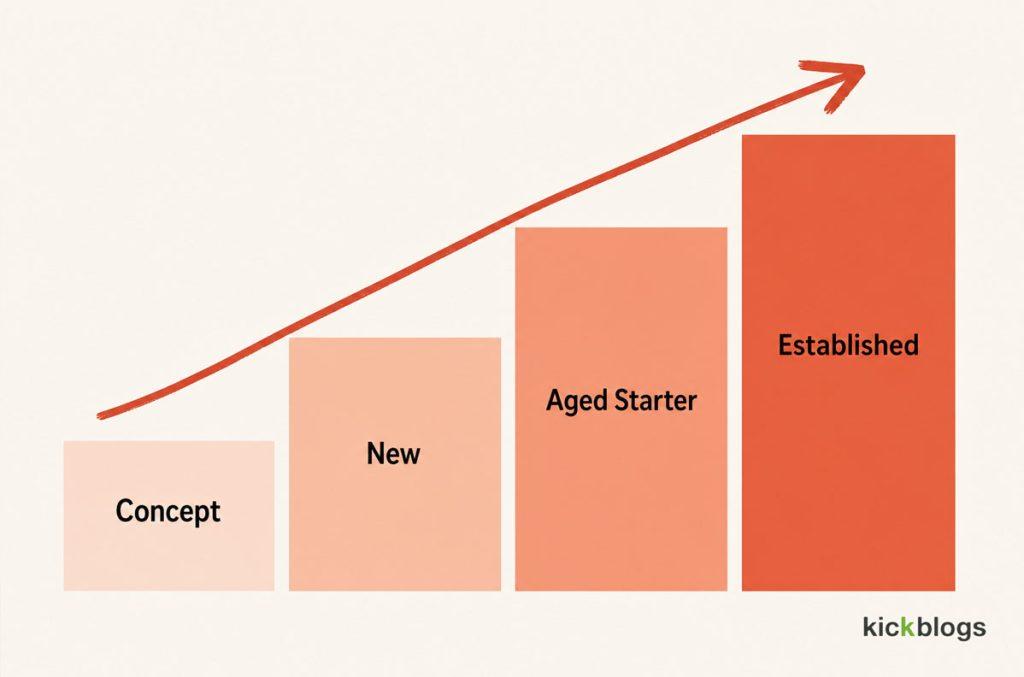
Four listings are presented to you, priced low to high: Concept, New, Aged Starter, Established. The Established site costs several times more than the New one does, and nothing explains the jump.
You may also have read online on Reddit or on an SEO forum that aged domains are a myth, and that domain age is not a Google ranking factor. That part is correct. Google has said this for years.
So the obvious question to ask is. If an old domain doesn’t rank better simply for being old, why does the established site carry a higher price tag, and is that gap real value or just a markup?
The answer: You’re not paying for the age of the domain. You’re paying for something the age tends to come wrapped up with, and the two are easy to confuse.
This article goes deep on each, so you can see those four tiers, what the extra money actually buys you, and how to check you’re getting value.
What Marketplaces Get Wrong: Domain Age Is Not a Ranking Factor
Start with the claim that sells the most aged domains, because it’s false. The age of a domain, the number of years since it was registered, does nothing for your rankings on its own.
John Mueller of Google was asked directly in 2019 whether domain age was one of the 200-odd ranking signals. His reply was three words. “No, domain age helps nothing.”
His predecessor on webspam, Matt Cutts, said much the same in 2010: the difference between a domain six months old and one a year old “is really not that big at all.”
This matters because plenty of marketplaces tell you the opposite. One large competitor’s guide states that “since Google’s Penguin update, domain age became an important ranking consideration.” That’s not what Google said then or since.
Any listing that prices a site on the registration date alone, or waves a WHOIS record at you as if the number were the asset, is selling you folklore.
So a merely old domain is worth close to nothing. If that were all “Established” meant, the premium would be a rip-off, and you would be right to walk.
It’s not all it means. The age is a proxy. What stands in for it is the thing you’re buying, and the rest of this article is about naming that thing precisely, because the gap between a good aged listing and a worthless one is exactly the gap the price reflects.
No, domain age helps nothing. John Mueller, Google, 2019.
What Actually Slows a New Site Down: The Probation Nobody Warns You About
Turn the question around. The advantage of an established site is not a bonus it gets for being old. It’s a penalty a new site pays for being new, and the size of that penalty is easy to underestimate.
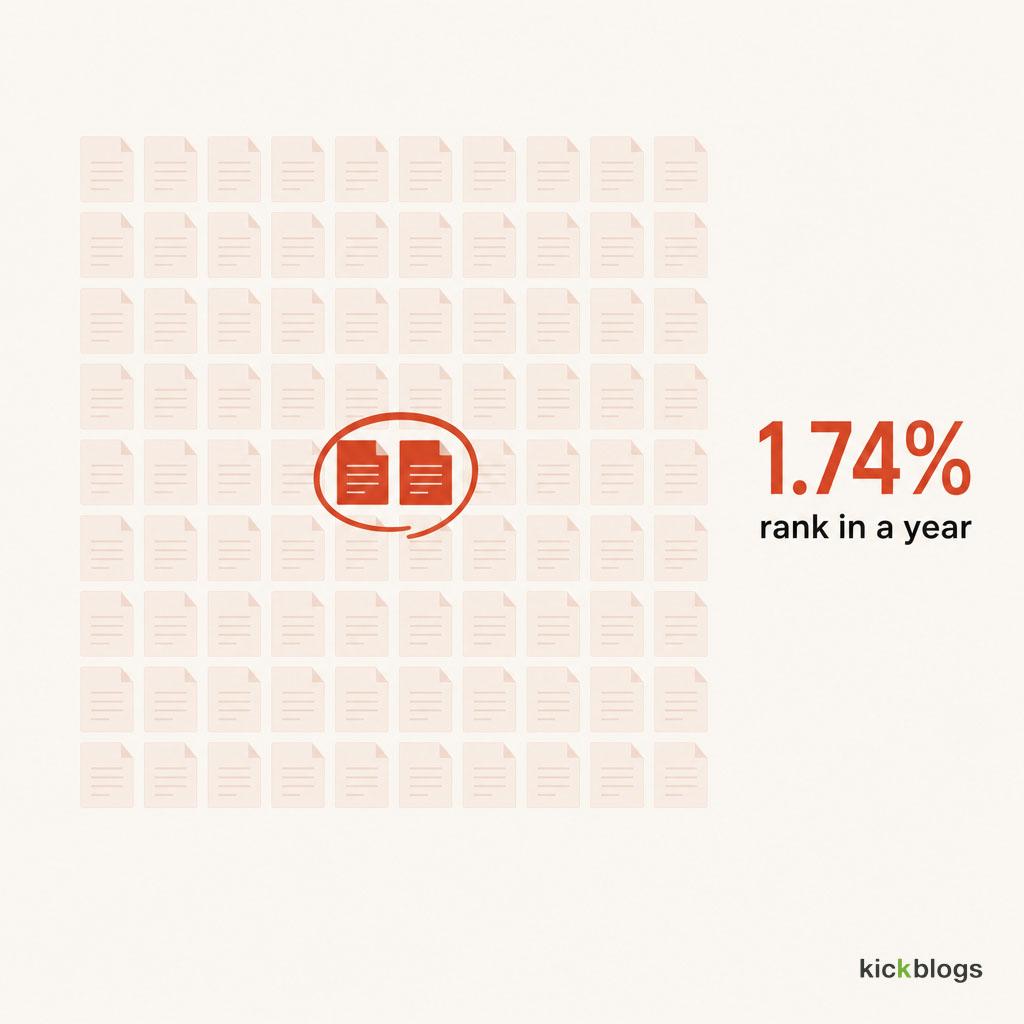
The numbers are not kind to fresh domains. Ahrefs studied how long pages take to rank and found only 1.74% of newly published pages reach the top ten for their target term within a year.
The average page sitting at number one is about five years old. Nearly 73% of top-ten pages are more than three years old. The results are getting older, not younger, so a new page walks into a room where almost everyone has been there for years.
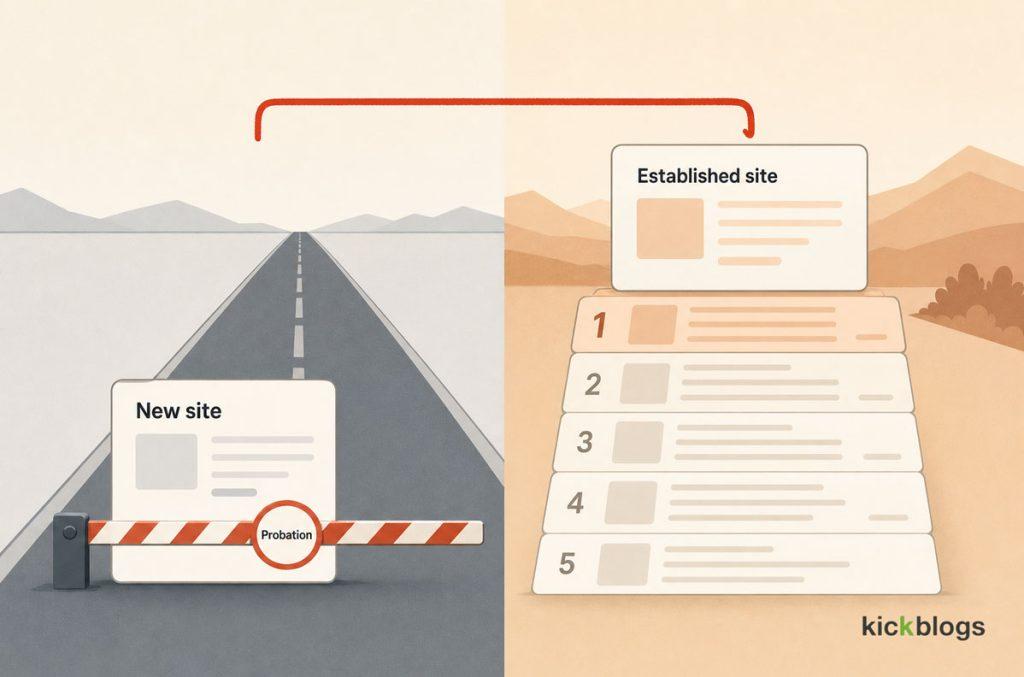
SEOs have a name for the wait. They call it the sandbox, and they have described it since around 2004: a new site gets indexed quickly but cannot rank for anything competitive for months.
Google has always denied a formal sandbox. Mueller again: “We do not really have this traditional sandbox.”
Both things turned out to be true, and the 2024 Google API leak explained how. In May 2024, internal Search documentation surfaced after being left on GitHub by mistake. Rand Fishkin of SparkToro received the files and verified them, then had Michael King of iPullRank analyse them.
Among roughly 14,000 attributes was one called hostAge, described in Google’s own notes as used to “sandbox fresh spam in serving time.”
Read that carefully. The mechanism is real, but it’s an anti-spam probation, not an age penalty.
A new site is not being punished for being new. It simply has not yet given Google enough signals of trust to be ranked, and while that is unresolved, it’s held back in case it turns out to be junk. It looks like a sandbox from the outside. It’s really the absence of a track record.
Why an Established Site’s Brand-New Pages Rank Faster
Here’s the part competitors assert and never explain. An established site does not just rank for its existing pages.
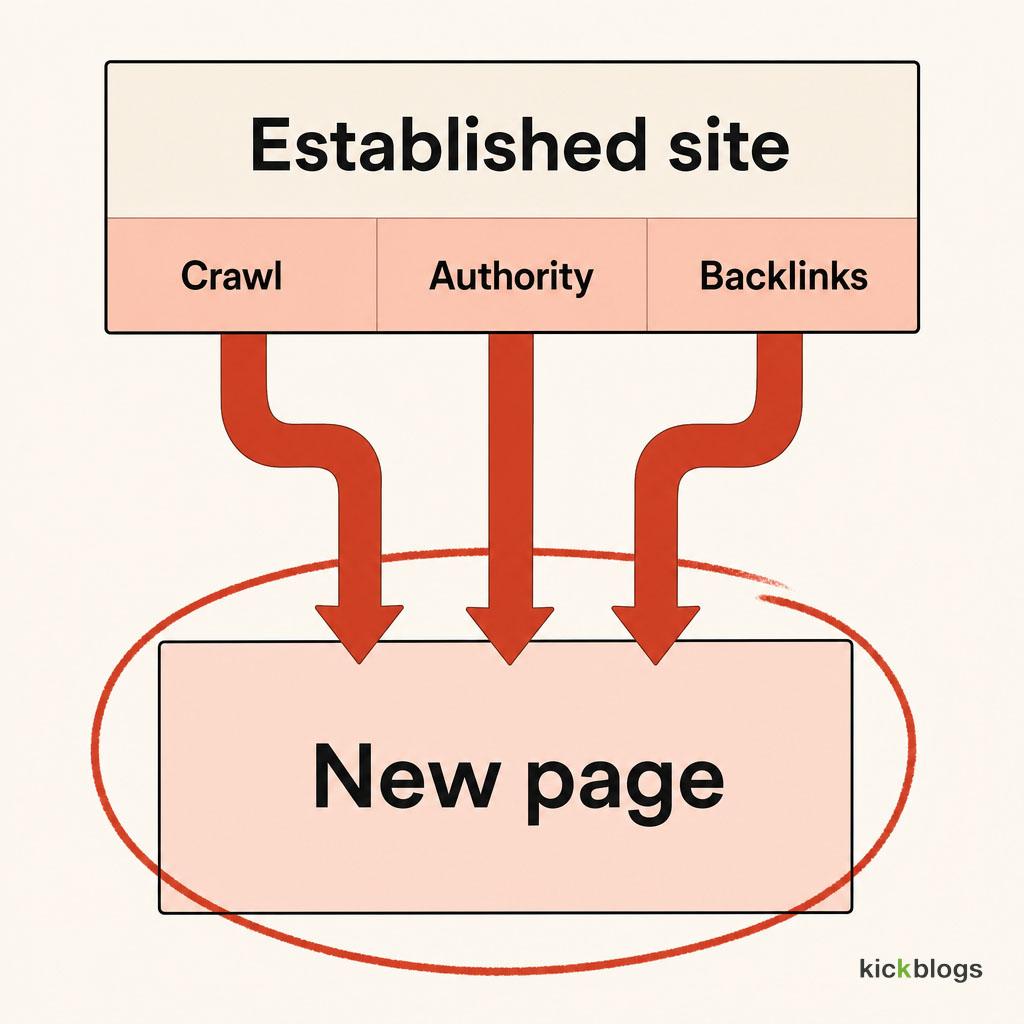
A brand-new article, published today on a site with history, ranks faster than an identical article published on a fresh domain. The new page inherits things the fresh domain has to earn from zero.
It inherits crawl frequency. Google already visits a trusted, regularly updated site often. So a new page is discovered and assessed in days rather than left unindexed for weeks.
It inherits topical authority. A new page about, say, camping stoves published on a site Google already associates with camping, surrounded by related pages that link to it. It’s not starting from scratch. It’s adding to something already trusted.
It inherits a backlink profile. The links other sites have pointed at the domain over years pass trust to the whole site, and some of that trust flows to the new page through internal links on day one.
Ahrefs found the tell in its own data. Of the small share of pages that did rank quickly, about 41% reached the top ten within a month. Those were not fresh sites that got lucky. They were pages that already have authority. That authority is the exact thing an established site hands you the moment you own it.
So you’re not buying an old domain. You are buying a head start on every article you haven’t written yet.
Age Versus Continuity: What Really Separates the Four Tiers
Now the four tiers make sense, because they’re not a scale of age. They’re a scale of continuity, of how much real trading history sits behind the name.
Concept is an idea with no history. New is a built site that hasn’t yet served its probation. Aged Starter is an older domain with thin history, some age on the clock but little proven behind it. Established is an aged domain carrying the full set: continuous content, earned links, real traffic, verifiable revenue.
The distance between Aged Starter and Established is the whole point, and it’s where buyers get hurt. An old domain with no clean, relevant history behind it, as the SEO community puts it bluntly, “will not help you with anything whatsoever.”
A registration date with nothing under it isn’t an asset. It’s a name. Worse, a bare-aged-domain trades exactly where the scams and the private blog networks live, so an unusually low price on an old domain is usually low for a reason.
The failure cases prove the split. Site builders have documented aged-domain projects that collapsed when the new content did not match the domain’s old subject:
A camera-review site on a defunct camera store’s domain lost 85% of its traffic in a single Google update
A cookware site on an old restaurant domain fell 97%
A wine-cooler site on an old wine bar’s domain fell 98%.
Age did not save any of them, because there was no continuity underneath it.
Contrast that with a rebuild that respected the history: a domain aged since 2007, with links from the New York Times and CNN, rebuilt on the same topic, grew to roughly 40,000 visits a month. Same “age.” Completely different outcome.
Do not buy age. Buy continuity.
What the Premium Would Cost You to Build From Scratch
The honest way to judge the premium is to price the alternative. Take the established site’s assets, cost out building each one yourself in AUD, and compare. That figure is the value case, not any claim a listing makes.
What it is
Rough cost to rebuild
Content
Around 100,000 words of indexed articles
$20,000 or more, at $0.10 to $0.50 a word
Backlinks
Roughly 100 relevant referring domains
Tens of thousands, at $280 to $509 a link
Served probation
Six to nine months of ranking history
Your content and ad spend, with no revenue coming back
Take the numbers one at a time. An experienced writer charges roughly $0.10 to $0.50 per word, so a 100,000-word article library costs $20,000 or more before a single page has earned a day of ranking history.
A quality backlink costs between $280 and $509 on average in 2025, with premium outreach links running $1,000 to $2,500 each, so a hundred relevant referring domains run well into five figures. And bought links don’t carry the earned-over-time trust an established site already has.
Then the line item not on the invoice: the wait.
During the six to nine months a new site spends in probation, you keep paying for content and any ads while almost no organic revenue comes back.
For an Australian operator working off a redundancy payout or savings, on a fixed budget, that stretch of steady outgoings against no income is the cost that really bites, and it doesn’t appear on a price tag anywhere.
Add the rows together, and a mid-sized established site can represent $50,000 or more in replacement cost. The premium is roughly the content bill, plus the link bill, plus the months of served probation, bought as one number and available today instead of next year.
None of which makes buying automatically right. If you have more time than money and can treat a year of unpaid writing as an investment, doing it yourself is legitimate. That’s what the New tier is for. The premium buys time, and time is worth more to some than others.
How to Check an Established Site Is Genuinely Established
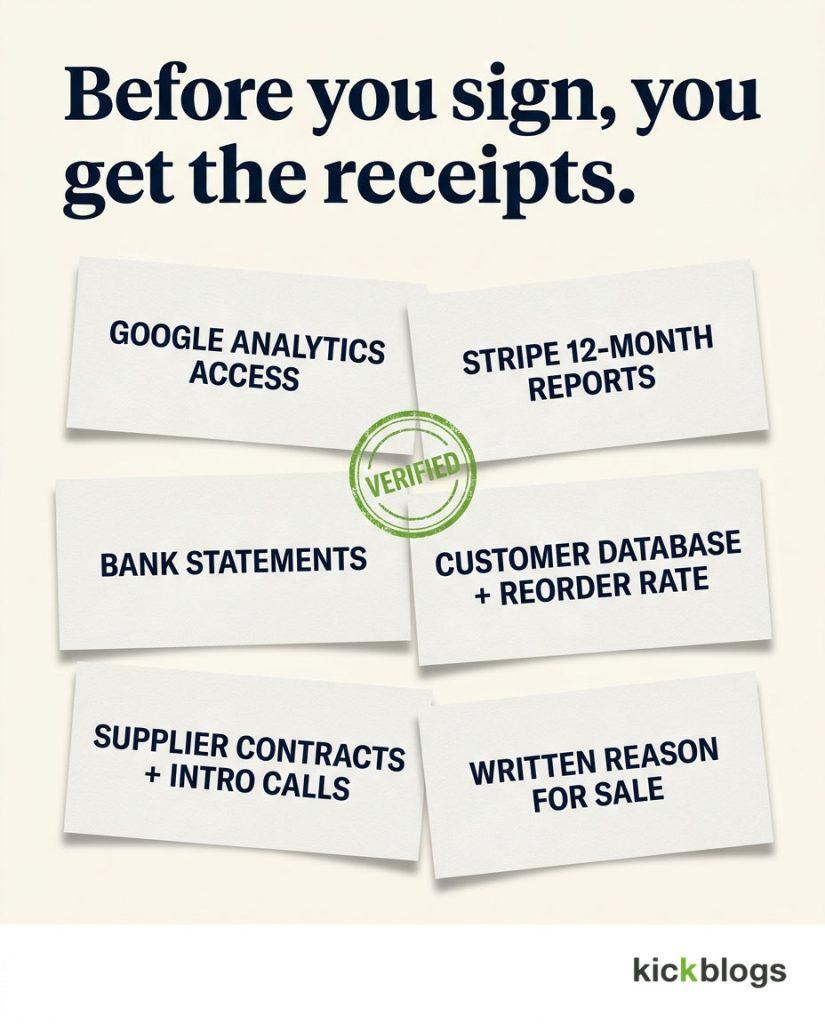
A listing can call itself Established for the same reason a used car can be called “one careful owner.” You verify it. Every claim in the tier is checkable before you pay, and a genuine site passes all of these while a dressed-up Aged Starter fails several.
Continuity of history. Pull the domain up in the Wayback Machine and look for a steady run of snapshots on the same subject. Long offline gaps are a warning, because pages that drop out of the index during a gap lose their standing.
Current index footprint. Check that real pages, not just the homepage, are indexed in Google right now. A site with two pages in the index is not established, whatever its age.
Clean, relevant backlinks. Run the domain through a tool like Ahrefs. You want links from real, relevant sites, not thousands of low-quality or unrelated links that signal a spam or PBN past.
Topical continuity. Confirm the site has always been about roughly what it is about now. The failure cases above were all topic switches. A restaurant domain reborn as a cookware shop is the pattern to avoid.
Traffic evidence. Ask for direct access to the analytics, Google Analytics or Search Console, not a screenshot. Screenshots are the easiest thing in this entire process to fake.
Revenue evidence. For an Australian site, the strongest proof is the kind a seller cannot invent: BAS lodgements, ATO records, or payment-processor statements. Third-party paperwork versus a claimed number or a verified one.
Work down that list, and the tier stops being a label. It becomes something you have audited.
So Which Tier Is Actually Right for You?
The choice is not about spending less versus spending more. It’s time versus money, and they answer different questions.
If you have more time than money, and you can treat six to twelve months of writing and link-building as an investment rather than a loss, a New or Aged Starter tier lets you serve the probation yourself.
It’s slower, and is riskier, since fewer than two in a hundred new pages rank inside a year, but it’s a real path and plenty of good sites started there.
If you have a fixed runway and need the site earning inside it, or you would rather buy the served probation than live through it, the Established tier is what the premium is for. You’re paying to skip the wait and to start from a verifiable track record instead of a hopeful one.
Neither is smarter in the abstract. They answer different questions, and the common mistake is not picking the wrong one; it is never realising there was a choice. Now you can see what separates them, price the gap yourself, and check that whatever you buy is what it says it is.
No. Google’s John Mueller stated in 2019 that “domain age helps nothing.” Older sites often rank better, but because of the backlinks, content and trust they have had time to accumulate, not the registration date itself. A five-year-old domain with no history behind it has no ranking advantage over a brand-new one.
Is the Google sandbox real?
Google denies a formal sandbox penalty, but the 2024 leak of its internal documentation revealed a “hostAge” attribute used to “sandbox fresh spam.” In practice, new sites face months of limited visibility because they lack the trust signals to rank, not because age itself is penalised. It behaves like a sandbox from the outside.
Could I just buy the lower-priced tier and grow it myself?
Yes, if you have the time. Only 1.74% of new pages reach Google’s top ten within a year, so plan for six to twelve months of content and link-building before meaningful traffic arrives. The lower-priced tiers suit buyers with more time than money. The Established premium mostly buys that time back.
How do I know an established site’s history is genuine?
Verify it before paying. Check Wayback Machine snapshots for continuous history, confirm real pages are indexed now, review the backlink profile for spam, and confirm the topic never switched. For revenue, ask for BAS lodgements, ATO records or payment-processor statements rather than screenshots, which are trivial to fake.